Due to limited space and growing vehicle ownership, parking shortages are becoming a serious problem in residential and urban locations. The situation is made worse by ineffective layouts, poor planning, and a lack of management procedures. Simple Parking Shortage Solutions focus on improving organization, optimizing existing space, and reducing inefficiencies without major investments. By applying Simple Parking Shortage Solutions, property owners can better manage available areas and minimize congestion. With the right Simple Parking Shortage Solutions, city planners can enhance space utilization and address parking challenges effectively.
Optimize Existing Parking Space
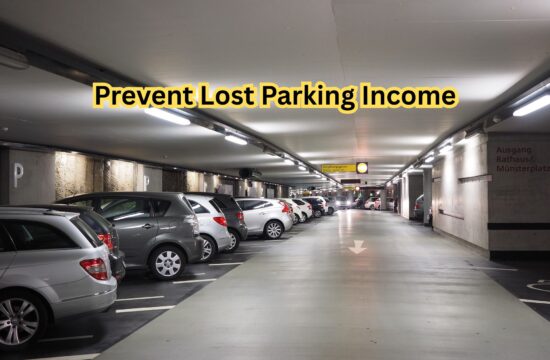
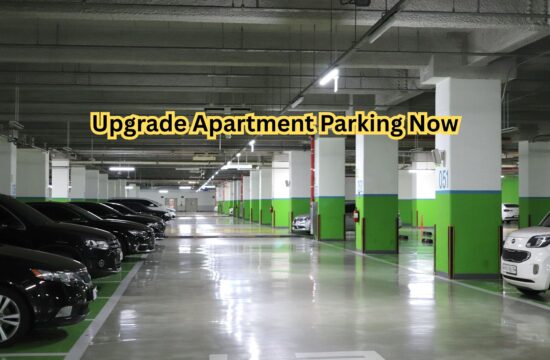
Optimizing existing parking spaces is one of the easiest methods. You can increase capacity by removing underutilized or poorly constructed areas, adjusting parking angles, and repainting lines. Smart layout planning allows you to accommodate the maximum number of vehicles within the same space. Even small adjustments, such as designated bike parking or compact automobile zones, can greatly increase productivity and successfully ease traffic in congested parking areas.
Implement Shared Parking Systems
Shared parking allows several people to use the same spot at different times. Offices, residential buildings, and commercial areas can coordinate parking use based on peak hours. This approach reduces the need to build additional parking. Digital platforms and scheduling systems simplify shared parking management, ensure higher utilization, minimize user conflicts, and improve overall convenience.
Use Smart Parking Technology
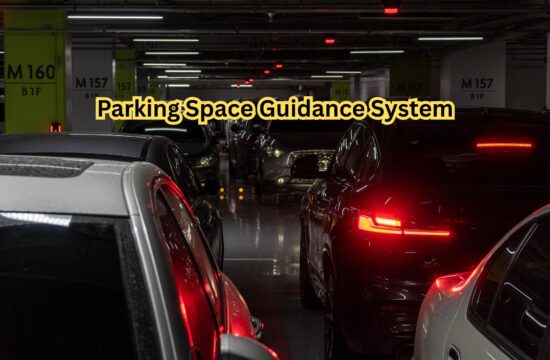
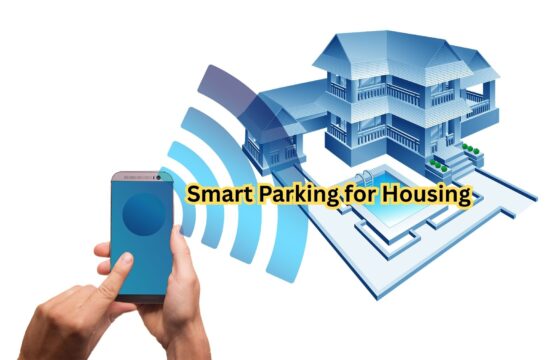
Smart parking systems direct drivers to open spaces using sensors, smartphone apps, and real-time data. This lessens traffic congestion and the amount of time wasted looking for parking. Effective rule enforcement is another benefit of automated monitoring. In addition to improving control, transparency, and user experience in contemporary parking management systems, these technologies are economical over time.
Promote Alternative Transportation
Parking demand can be greatly decreased by promoting carpooling, bicycling, and public transportation. Offering rewards like bike racks or dedicated carpool spaces encourages individuals to choose alternate forms of transportation. In order to lessen reliance on cars, businesses and communities can support these programs. This will ultimately ease the strain on the few available parking spots and help create a more sustainable environment.
Introduce Parking Policies and Rules
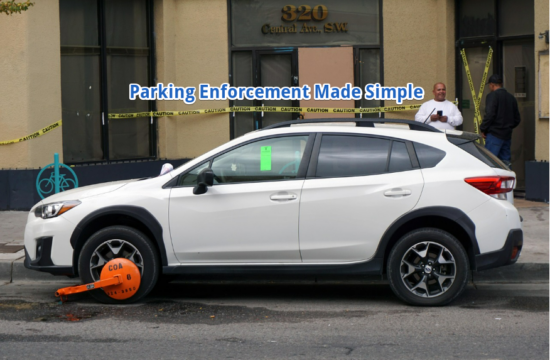
Clear parking regulations and policies help manage restricted spots effectively. You can ensure fair usage by applying time limits, permit systems, and penalties for misuse. Proper enforcement encourages turnover and discourages long-term occupation of spaces. Well-defined policies promote discipline among users and ensure that people use parking spaces efficiently, keeping them available for those who need them most.